CoverMyMeds vs Surescripts vs Availity

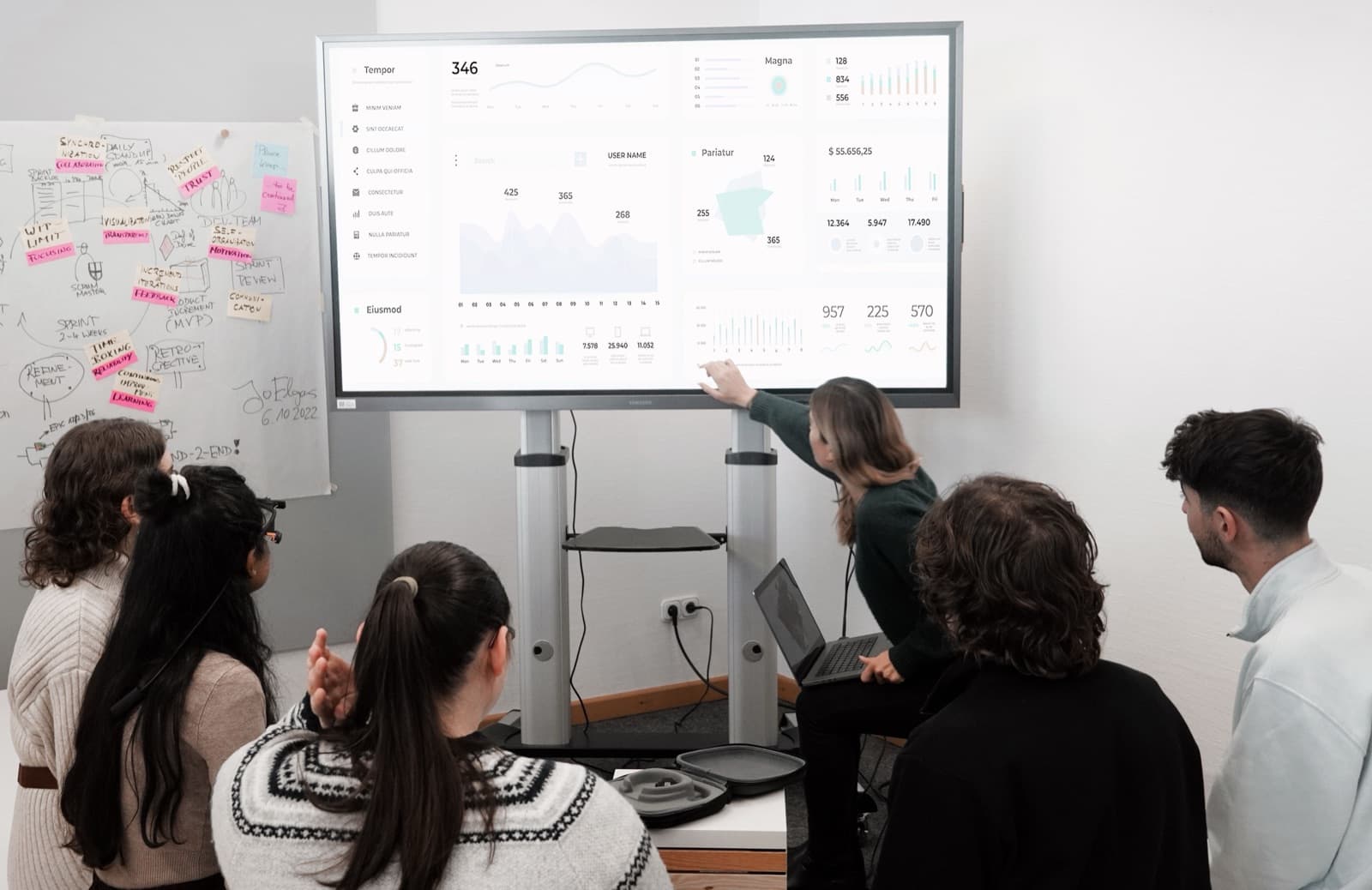
Photo: cottonbro studio on Pexels
Search "covermymeds vs surescripts vs availity" and you'll find all three treated as rivals, as though they're competing to win the same job. They aren't. One is a website your prescriber's office might type a prior authorization straight into. One is a wiring standard other companies' software plugs into, invisible to almost everyone except the engineers who built it. One is a portal a clinic's billing team logs into because a health plan told them to. Confusing these wastes real time when a request stalls and nobody knows which system to chase. This guide sets out, using each company's own published figures, what CoverMyMeds, Surescripts and Availity actually are, who owns them, and what's genuinely different about each.
Key takeaways
- CoverMyMeds and Availity are portals a person logs into; Surescripts is a network utility that other software connects to behind the scenes.
- CoverMyMeds has been wholly owned by McKesson, the pharmaceutical distributor, since a 2017 acquisition reported at $1.1 billion.
- Availity was founded as a joint venture between Blue Cross Blue Shield of Florida and Humana, and is still owned by a group of health plans.
- Surescripts brought in TPG Capital as its majority investor in October 2024; NCPA kept a significant stake, and the rest of the ownership detail sits behind a non-disclosure agreement.
- CoverMyMeds says its network reaches more than 50,000 pharmacies and 900,000 prescribers, with connected payers covering roughly 95% of prescription volume.
- None of the three publish a like-for-like adoption number, so the honest way to choose is to check which one your own payers and EHR already use.
What these three platforms actually are
All three sit somewhere between a prescriber and a health plan in the prior authorization chain. But each solves a different problem for a different customer, and that's the first thing worth untangling before comparing anything else.
- CoverMyMeds — a submission platform prescribers' offices use directly, filling in a form on-screen and sending it to the relevant payer or PBM.
- Surescripts — a network utility that EHR systems, pharmacy software and payer systems build on top of, so the transaction moves between two other pieces of software rather than through a site staff visit themselves.
- Availity — a multi-payer portal a provider's billing team logs into to handle authorizations, and other admin tasks, for many different health plans from one place.
The distinction that causes most of the confusion is portal versus network. A portal is a destination: you log in, complete a form, and get an answer on that same site. A network utility is closer to plumbing: it carries a transaction between two systems using a shared data standard, and most people relying on it never see its name on a screen. Surescripts sits firmly in that second category. CoverMyMeds and Availity are portals first, even though both also offer behind-the-scenes connections for software vendors whose staff never need to log into a website at all.
How the three compare
The table below sets out what's actually verifiable about each platform, rather than what their marketing pages imply. Where a company hasn't published a directly comparable figure, that's noted rather than filled in with a guess, because the three measure very different things: prescription volume covered, a single transaction's speed, and a whole network's total traffic aren't interchangeable ways of describing scale.
| Platform | What it actually is | Who uses it | Notable published data point |
|---|---|---|---|
| CoverMyMeds | A prior authorization submission platform, owned outright by McKesson since 2017 | Prescribers' offices submitting requests, and pharmacies checking their status | Says its network reaches 50,000+ pharmacies and 900,000+ prescribers, with connected payers covering about 95% of prescription volume |
| Surescripts | A national network utility carrying e-prescribing, medication history and prior authorization transactions between other systems | EHR vendors, pharmacy systems, PBMs and payers who build directly on the network, rather than prescribers logging in themselves | Reports a median approval time of 18 seconds for prior authorizations completed through its fully automated path |
| Availity | A multi-payer provider portal and clearinghouse, jointly owned by a group of health plans | Providers' billing and admin staff handling authorizations, eligibility and claims for many payers from a single login | Reports 3 million credentialed providers and over 13 billion transactions a year across its whole network (not authorization-specific) |
Who owns each platform, and why it matters
McKesson Corporation, one of the largest pharmaceutical distributors in the US, bought CoverMyMeds in 2017 for a reported $1.1 billion, and has run it as a wholly owned subsidiary ever since. That matters because McKesson has commercial interests elsewhere in the drug supply chain, even though CoverMyMeds itself doesn't set formulary rules; the payer or PBM on the other end of the request still makes that call.
Availity started in 2001 as a joint venture between Blue Cross Blue Shield of Florida (now Florida Blue) and Humana. Health Care Service Corporation and Anthem, now Elevance Health, joined later as owner-payers too. The platform runs on what's sometimes called a coopetition model: rival insurers share the same infrastructure and governance, because building separate portals for every payer would cost providers more time than it saves anyone. The trade-off is that it's the payers, not the providers, who own the tool providers are asked to use.
Surescripts has a more layered history. It began life owned by pharmacy chains, PBMs and technology vendors who needed a shared network rather than dozens of private wires between each other. In October 2024, private equity firm TPG Capital became its majority investor. The National Community Pharmacists Association kept, in its own words, a significant ownership share "so we can continue to influence its growth," while full details of who else holds a stake are covered by a non-disclosure agreement. Surescripts describes its own role like this:
“Our purpose is to serve the nation through simpler, trusted health intelligence sharing, in order to increase patient safety, lower costs and ensure quality care.”
A prescriber's office: whose workflow are you actually in?
Picture a busy family medicine clinic. A patient's new prescription triggers a prior authorization flag at the pharmacy. The clinic's medical assistant doesn't pick a platform from a list; she opens whatever the clinic's electronic health record already has built in. If that record has a CoverMyMeds integration, a form pre-fills on the same screen she already uses for prescribing, and she never visits a separate website. If the patient's plan requires Availity, she might instead get a message telling her to log into Availity Essentials directly, because that payer has made it the only accepted channel. Meanwhile, if the request completes automatically using data already sitting in the record, it may have travelled over Surescripts' network in the background, with no one in the building aware that name was ever involved. Three different platforms, and the clinic's staff may only ever consciously deal with one or two of them.
What to check before choosing between them
- Which of your payers or PBMs already connects through each platform? Coverage varies by network, and a platform that's excellent for one insurer may not be wired up to another at all.
- Does your EHR or pharmacy system already have one built in? Most clinics don't pick a platform in isolation; they use whatever their existing software already integrates, so check that before evaluating anything new.
- Do you need a tool for prescribers, or one for billing and administrative staff? CoverMyMeds is built around the moment a prescription is written; Availity is built around a health plan's administrative processes.
- Is the requirement actually coming from the payer, not from you? Some plans mandate a specific portal, such as Availity, regardless of what your practice would otherwise choose to run.
- Are you comparing statistics that measure the same thing? A network-wide transaction count, like Availity's, isn't the same measurement as a prior-authorization-specific approval time, like Surescripts', so the two can't be ranked against each other directly.
Genuine limitations of each
None of these platforms is a complete answer on its own, and each carries a real trade-off worth knowing before you rely on it.
- CoverMyMeds covers a large share of prescription volume, but that still leaves payers outside its network, and some requests that start electronically still fall back to fax or a phone call to finish. It's also owned by a company with its own commercial stake in the drug supply chain, which is worth knowing even though it doesn't change the coverage decision itself.
- Availity is genuinely useful when several of your payers already treat it as their exclusive portal, but a clinic dealing with plans outside that group ends up running a second or third system anyway, rather than replacing them. Because it's owned by the payers themselves, providers have less say over how the portal changes over time than they would with a vendor they'd chosen and paid for directly.
- Surescripts can't be bought or logged into directly by a single clinic; its usefulness depends entirely on how well your specific EHR or pharmacy vendor has built on top of the network, so two practices on the same national network can have very different day-to-day experiences. Its recent shift toward majority private-equity ownership also means its long-term priorities now answer to an investor with a return to make, alongside the pharmacy and PBM stakeholders who founded it.
Frequently asked questions
Is CoverMyMeds the same company as Surescripts?
No. CoverMyMeds is a submission platform owned by McKesson; Surescripts is a separately owned network utility, with TPG Capital as majority investor since October 2024. The two aren't affiliated.
Do I get to choose between CoverMyMeds, Surescripts and Availity?
Usually not directly. A prescriber's office typically uses whichever platform is built into its electronic health record, and some health plans require a specific portal, such as Availity, regardless of what the clinic would otherwise pick.
Which one is cheapest?
None of the three publish standard public pricing for a clinic to compare directly, and costs are typically bundled into EHR or pharmacy software contracts rather than sold separately to prescribers. Ask your EHR vendor what's already included before assuming you need to pay for anything extra.
Who owns Surescripts now?
TPG Capital became Surescripts' majority investor in October 2024. The National Community Pharmacists Association retained what it describes as a significant ownership share, and the rest of the ownership structure is covered by a non-disclosure agreement.
Does using Availity mean my data goes to every health plan on the platform?
No. Availity routes each authorization request only to the specific health plan it's addressed to. Being jointly owned by several insurers doesn't mean those insurers can see each other's requests through the platform.
Related on Benefily
Administrative information only. Benefily reports what a payer has published in its own prior-authorization policy as of the effective date shown. It is not medical advice, not a coverage or payment guarantee, and not an authorization. Requirements vary by plan, place of service and member benefits — always verify with the payer before rendering service.
More from Reviews
Best Prior Authorization Software in 2026
A buyer's guide to prior authorization software: what CoverMyMeds, Surescripts and Cohere Health solve, and how to choose between them.

Cohere Health Review: An Honest Look
An evidence-based review of Cohere Health's prior authorization platform: what it does, published outcomes, and what's still unanswered.