Does Medicare cover Ozempic?
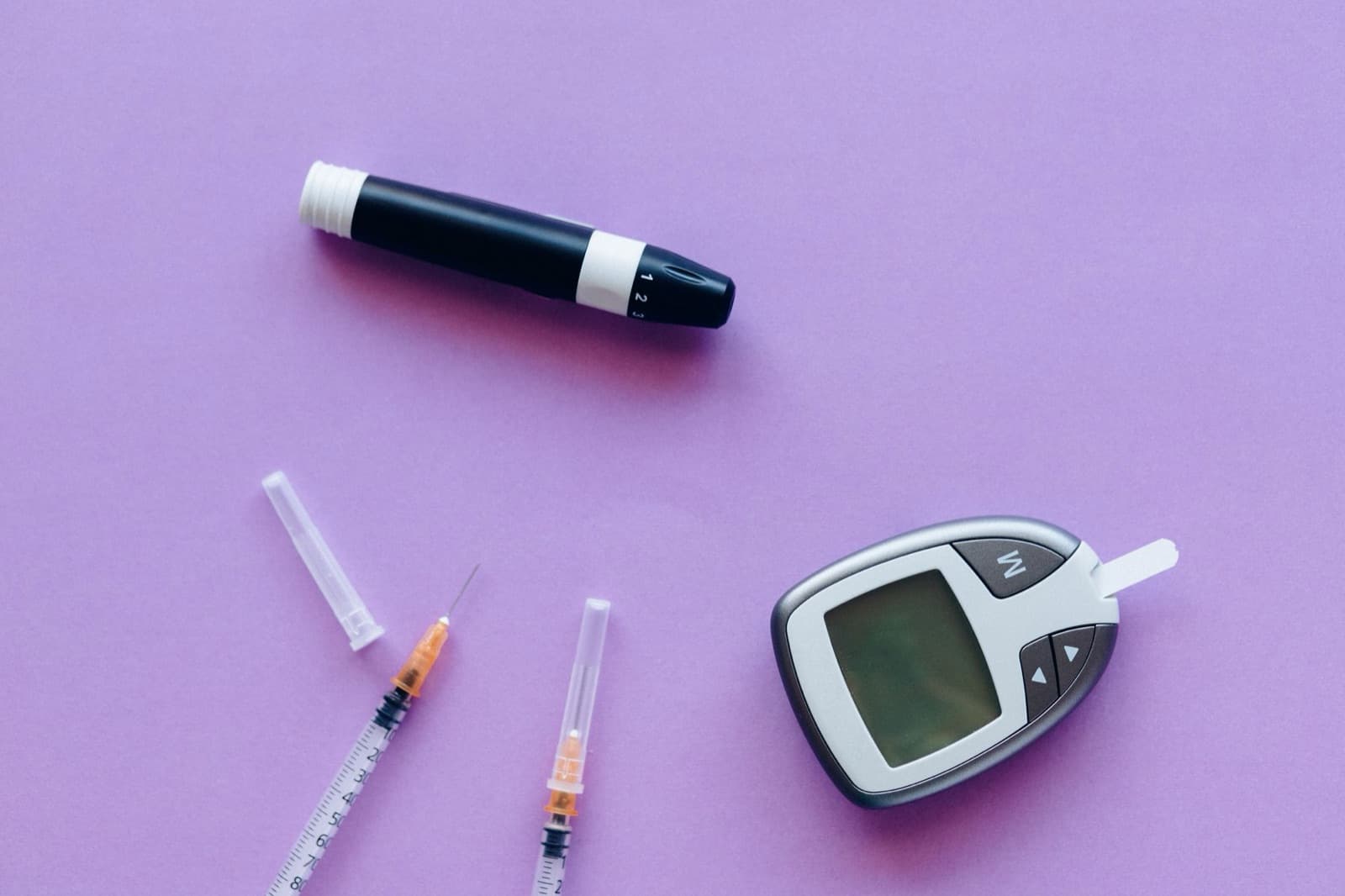
Photo: Nataliya Vaitkevich on Pexels
Ozempic is one of the most searched-for drugs on Medicare's books, and one of the most misunderstood by anyone trying to plan a monthly budget around it. Ask whether Medicare covers Ozempic and you can get two entirely different, entirely correct answers, because the coverage question was never really about the drug. It's about the diagnosis code attached to the prescription. This guide gives the honest answer for each scenario, unpacks the prior authorization and quantity-limit patterns you'll meet on a real Part D formulary, and shows exactly where the line falls between a use Medicare is willing to help pay for and one it's barred by law from touching.
Key takeaways
- Medicare Part D covers Ozempic for type 2 diabetes, usually subject to prior authorization and often a quantity limit, both of which vary by plan.
- Federal law bars Part D from paying for a drug used for weight loss, so Ozempic prescribed off-label for that purpose is essentially never covered.
- Wegovy shares Ozempic's active ingredient, semaglutide, but carries its own FDA-approved indication and its own separate coverage answer.
- Two million Part D enrollees were taking Ozempic as of 2024, up from fewer than 150,000 in 2019, according to KFF.
- A separate, time-limited demonstration (the Medicare GLP-1 Bridge) subsidises some weight-loss GLP-1 drugs, but it doesn't extend to Ozempic itself.
- Always check your own plan's formulary. A restriction that applies on one Part D plan doesn't automatically apply on another.
The short answer
Medicare Part D covers Ozempic when it's prescribed for type 2 diabetes, subject to whatever prior authorization or quantity limit your specific plan attaches to it, and it essentially never covers Ozempic when the only reason for the prescription is weight loss, because federal law excludes anti-obesity drugs from Part D regardless of how the prescriber justifies it. Same bottle, same active ingredient, same NDC code on the box — two completely different verdicts, and the diagnosis is what decides which one you get.
That split isn't a quirk of one insurer being stingy. It's baked into the statute Part D operates under, and it applies to every plan sponsor in the program. Where plans do differ from each other is in the paperwork: how strict the prior authorization criteria are, whether a quantity limit applies, and which tier the drug sits on. Those details are genuinely plan-specific, which is why the second half of this guide is about checking your own formulary rather than trusting a single number quoted somewhere online.
Why the same drug gets two different answers
Ozempic (semaglutide) received FDA approval in 2017 for adults with type 2 diabetes, to improve blood sugar control alongside diet and exercise, and it later gained a second approved use: reducing the risk of major cardiovascular events in adults who have type 2 diabetes and established heart disease. Both of those are indications the FDA has formally signed off on. Weight loss is not one of them for this particular brand — that's the approved use of a different product, Wegovy, which contains the same molecule at a different dose and under a different label.
Prescribers can and do write Ozempic off-label for weight management anyway, because a drug's FDA approval governs marketing, not clinical practice, and off-label prescribing is legal and common across medicine generally. Medicare Part D, though, works from the diagnosis and indication a claim is billed under, not from a prescriber's private reasoning. Congress excluded weight-loss drugs from Part D coverage in the original Medicare Modernization Act, and that exclusion has stayed in place since. A plan reviewing an Ozempic claim isn't asking whether obesity treatment is medically reasonable; it's checking which box the claim falls into, and the weight-loss box is one Part D is not permitted to pay from, no matter how compelling the clinical picture looks.
| Indication | Typically covered under Part D? | Typical restriction pattern |
|---|---|---|
| Type 2 diabetes (the core FDA-approved use) | Yes, on most formularies | Prior authorization confirming the diagnosis; a quantity limit matching the approved dosing schedule is common |
| Reducing cardiovascular risk in adults with type 2 diabetes and heart disease | Yes, where the plan's formulary reflects this approved use | Similar prior authorization documentation, sometimes referencing cardiovascular history alongside the diabetes diagnosis |
| Weight loss or obesity alone, with no diabetes diagnosis | No — excluded by statute | Not applicable; the claim is rejected on category grounds regardless of supporting paperwork |
| Prediabetes, prescribed off-label for weight management | Rarely, and inconsistently | Plans differ in how closely they audit the diagnosis code behind a claim; a formulary exception request is unlikely to succeed here |
How common are prior authorization and quantity limits on Ozempic
Prior authorization on Ozempic is close to universal across Part D plans. Even for its covered indication, most plan sponsors want to see the diabetes diagnosis, and sometimes prior use of a cheaper first-line drug such as metformin, before they'll pay their share. A quantity limit is also common, usually pegged to the approved once-weekly dosing schedule so that a claim for an unusually large supply gets flagged for review. Formulary tier placement varies too; Ozempic typically sits on a preferred or non-preferred brand tier rather than the cheapest generic tier, which affects your copay even once a claim is approved.
None of those figures are the same across every plan, and that's worth taking seriously rather than treating as a formality. One plan's quantity limit might match the standard escalation schedule; another's might be tighter or attach extra documentation requirements. The only way to know what applies to you is to check the specific plan's formulary, which is exactly what checking Ozempic's coverage across every payer is built to make quick.
“Two million Part D enrollees took Ozempic, which was approved by the FDA in 2017 to treat type 2 diabetes, up from fewer than 150,000 in 2019.”
That growth is why the weight-loss exclusion keeps making headlines even though it hasn't changed: a huge and rising share of Medicare's drug spending now runs through semaglutide products, and every dollar of it is, by law, tied to a covered indication rather than to the drug itself. A separate KFF analysis of the same spending trend puts the underlying rule plainly: Medicare is explicitly prohibited by law from covering the drugs for obesity, even as gross spending on them climbs.
There is one adjacent development worth flagging, because it's easy to conflate with Ozempic's own coverage rules. A time-limited federal demonstration, the Medicare GLP-1 Bridge, began subsidising a small group of weight-loss GLP-1 drugs — Wegovy and Zepbound among them — at a reduced monthly copay from mid-2026. It runs outside standard Part D benefit rules and on its own schedule, and it does not include Ozempic, because Ozempic's own FDA label still doesn't cover obesity. If weight loss is the reason for your prescription, the Wegovy-specific coverage picture is the one that actually applies to you, not this one.
Common misconceptions
- Assuming Wegovy gets the same answer as Ozempic. They share an active ingredient, semaglutide, but Wegovy has its own FDA-approved indication for weight management and its own separate Part D coverage rules — one drug's answer tells you nothing reliable about the other's.
- Assuming 'off-label but medically justified' guarantees coverage. Part D's exclusion for weight-loss drugs is written into statute, not left to a plan's clinical discretion, so no amount of supporting documentation moves it.
- Assuming one plan's decision predicts another's. Prior authorization criteria, quantity limits, and formulary tier all vary between Part D plans, sometimes even between two plans run by the same insurer.
- Assuming a diabetes diagnosis alone is enough, without the paperwork. Most plans still require a prior authorization request confirming the diagnosis before they'll pay, even though the underlying use is covered in principle.
- Assuming prediabetes counts as diabetes for coverage purposes. It doesn't. The FDA-approved indication requires a type 2 diabetes diagnosis, not a risk factor for developing one.
Two patients, two outcomes
These two cases are illustrative composites, not real people, but they reflect how the same drug plays out differently depending on the diagnosis behind it. Both are enrolled in the same Part D plan and both are handed an Ozempic prescription in the same week.
The first patient has had type 2 diabetes for six years and hasn't reached target blood sugar levels on metformin alone. Their prescriber's prior authorization request cites the diagnosis code, recent lab results, and the existing metformin history. The plan approves it within a few days, sets a quantity limit matching the standard weekly dose schedule, and the patient pays their normal tier copay from then on. Nothing about the process is instant, but it's routine.
The second patient doesn't have diabetes. Their prescriber writes Ozempic off-label for weight management, alongside a genuinely elevated cardiometabolic risk profile. The prior authorization request is refused, and it isn't because the clinical case is weak — the plan is applying a category exclusion that doesn't turn on clinical strength at all. An appeal on the same grounds won't succeed either, because the barrier is statutory rather than a documentation gap. This patient's realistic options are paying cash, asking whether they qualify for a separate weight-loss GLP-1 under the Medicare GLP-1 Bridge demonstration (which wouldn't apply to Ozempic itself but might apply to Wegovy or Zepbound), or discussing a manufacturer savings programme with their prescriber, where eligibility rules allow it.
What to actually check on your own plan
- Confirm the diagnosis your prescriber is billing under. If it's type 2 diabetes (or the approved cardiovascular indication), you're in the covered category; if it's weight loss alone, no plan can approve it under standard Part D rules.
- Look up your specific plan's formulary entry for Ozempic rather than relying on a generic answer, since prior authorization criteria, quantity limits, and tier placement all vary by plan.
- Ask your prescriber's office to include the diagnosis code, relevant lab values, and any prior medication history in the initial prior authorization request, since incomplete requests are a common reason approvals stall.
- If your claim is denied and you have a genuine diabetes diagnosis, ask why. A documentation gap can be appealed; a weight-loss-only diagnosis on an Ozempic claim generally cannot be fixed by an appeal.
This article is general information about how Medicare Part D typically treats Ozempic, not medical advice and not a guarantee of coverage for any specific plan or claim. Part D coverage is set plan by plan, changes from year to year, and the only way to know what applies to you is to check your own plan's current formulary or ask the plan directly.
Frequently asked questions
Does Medicare Part D cover Ozempic for type 2 diabetes?
Generally yes. Ozempic is FDA-approved for type 2 diabetes, and most Part D formularies cover it for that use, typically subject to prior authorization and sometimes a quantity limit. The exact restrictions vary by plan, so check your specific formulary.
Does Medicare cover Ozempic for weight loss?
Essentially never. Federal law excludes weight-loss drugs from Medicare Part D coverage, and that exclusion applies regardless of how strong the clinical justification is or how the prescription is worded.
Is prior authorization required for Ozempic on every Medicare Part D plan?
It's required on the large majority of Part D plans, but not guaranteed to be identical everywhere. Some plans also add a quantity limit. Always confirm the current requirement on your own plan's formulary rather than assuming a figure quoted elsewhere applies to you.
Is Wegovy covered by Medicare instead of Ozempic for weight loss?
Wegovy has its own FDA-approved indication for chronic weight management and, historically, faced the same statutory exclusion as Ozempic when used for that purpose. A separate, time-limited federal demonstration has since begun subsidising it for some enrollees outside standard Part D rules — see the dedicated guide on Medicare and Wegovy for the current detail.
What can I do if my Ozempic prior authorization request is denied?
It depends why. If you have a genuine type 2 diabetes diagnosis and the denial cites missing documentation, your prescriber can file a redetermination request with additional clinical detail. If the denial is because the prescription is for weight loss alone, an appeal on the same grounds is unlikely to succeed, since the exclusion is statutory rather than a documentation issue.
Related on Benefily
Administrative information only. Benefily reports what a payer has published in its own prior-authorization policy as of the effective date shown. It is not medical advice, not a coverage or payment guarantee, and not an authorization. Requirements vary by plan, place of service and member benefits — always verify with the payer before rendering service.
More from Academy

Medicare Part D Drug Tiers Explained: A Tier-by-Tier Guide
Medicare drug tiers explained: what tiers 1-5 cover, how cost-sharing and prior authorization change by tier, and how to request a tier exception.

Prior Authorization Denied? What to Do Next
Prior authorization denied for your Medicare Part D drug? Here's the appeal ladder, the deadlines, and why appealing is usually worth it.

Step Therapy Explained: What It Means and What to Do Next
What is step therapy? A practical guide to how it works in Medicare Part D, what your prescriber must submit, and how to avoid common mistakes.