Does Medicare cover Mounjaro?
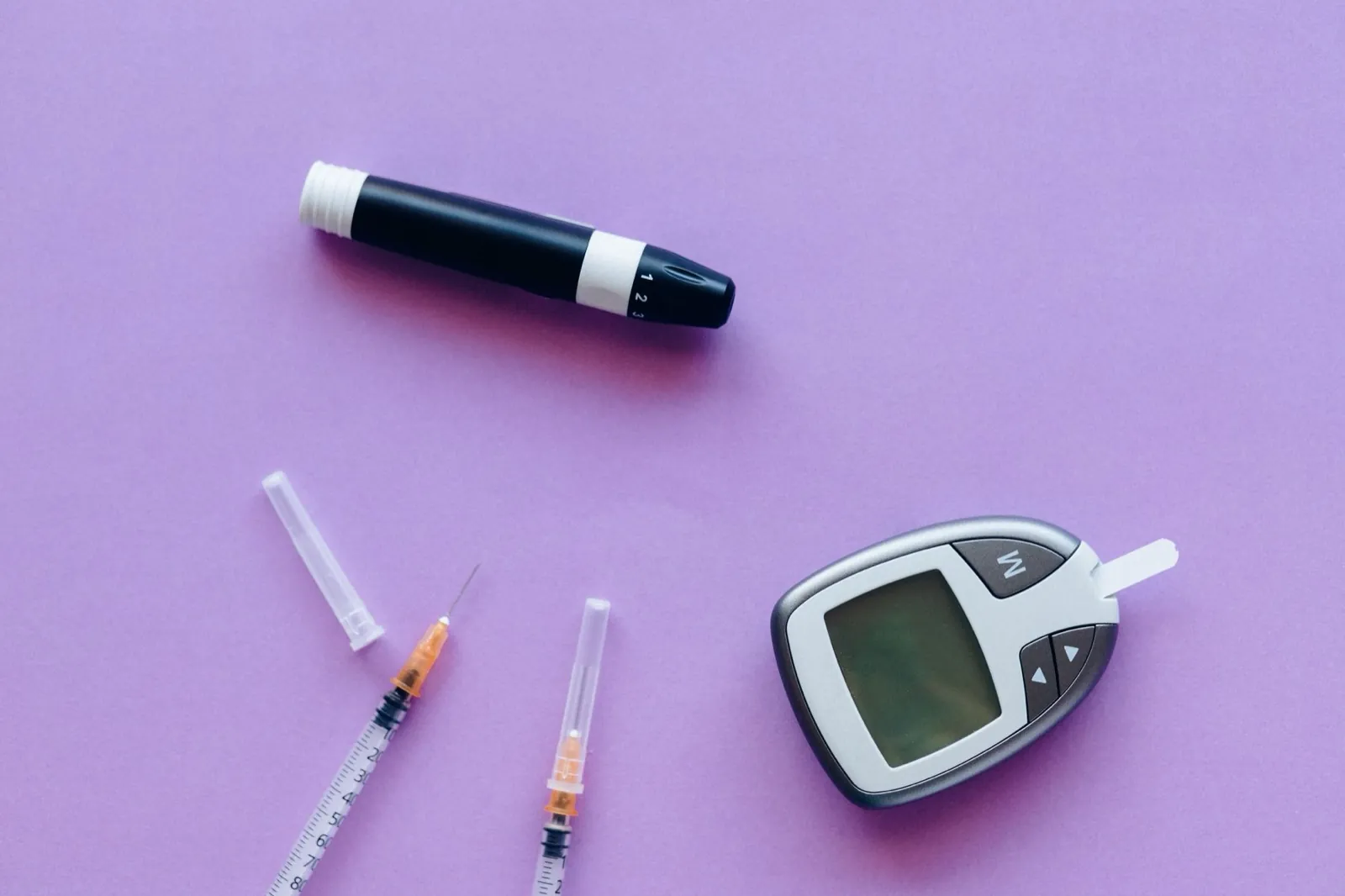
Photo: Nataliya Vaitkevich on Pexels
Your doctor has prescribed Mounjaro, the tirzepatide injection, and you want to know whether Medicare will pay for it. The honest answer depends on one question that pharmacies rarely ask: what is the drug being prescribed for? Medicare Part D generally covers Mounjaro when the prescription is for its approved use in adults with type 2 diabetes, subject to the plan's formulary rules. It does not cover the drug when the only reason is weight loss, because a federal exclusion applies to weight-loss drugs. This guide separates those two cases, explains what a plan may ask for before it pays, and points out why Zepbound, which contains the same active ingredient, has a different answer.
Key takeaways
- For type 2 diabetes, Mounjaro is a Part D drug like any other: coverage depends on your specific plan's formulary, tier, and any prior authorization or step therapy rules.
- Part D is barred by statute from paying for drugs used only for weight loss, so a prescription written solely for weight management is normally refused.
- Zepbound contains the same active ingredient, tirzepatide, but is approved for weight management. That difference in approved use is why the two brands get different answers.
- A temporary CMS programme, the Medicare GLP-1 Bridge, began on 1 July 2026 and runs through 31 December 2027. It has its own eligibility rules and is not the same as standard Part D coverage.
- A refusal is not the end of the road. Your prescriber can request a coverage determination, and if that is denied, you can ask for a redetermination within 60 days of the notice.
Why the indication decides everything
Medicare does not decide coverage by brand name. It decides by the medical use the prescription is written for. Mounjaro is FDA-approved for adults with type 2 diabetes, as an add-on to diet and exercise to improve blood sugar control. A prescription written for that use falls within the ordinary Part D benefit, and the plan treats it the way it treats any other diabetes medicine on its formulary.
The weight-loss question is a separate legal matter. Part D's rules borrow a list of drug categories that Medicaid programmes may exclude, and that list includes agents used for weight loss, written into Section 1860D-2(e)(2)(A) of the Social Security Act. A plan that is asked to pay for a drug whose only purpose is weight loss can refuse on that ground. This is why the same drug can be covered for one prescription and refused for another, depending on what the prescriber documents as the reason.
“Agents when used for anorexia, weight loss, or weight gain.”
Mounjaro for type 2 diabetes: covered, but plan by plan
For a person with type 2 diabetes, the question shifts from whether Part D covers Mounjaro to how your plan handles it. Plans place each drug on a tier, and many plans manage GLP-1 and related diabetes drugs with extra controls. A plan may list Mounjaro as non-preferred, which usually means a higher cost share. It may require prior authorization, a step through a different diabetes drug first, or a quantity limit. Two plans from the same insurer can treat the same drug differently, so the formulary entry for your specific plan is the document that matters.
| Situation | Typical Part D outcome | What decides it |
|---|---|---|
| Type 2 diabetes, plan lists Mounjaro as preferred | Covered at the plan's tier cost share | Your plan's formulary tier and deductible stage |
| Type 2 diabetes, plan lists Mounjaro as non-preferred | Covered, often at a higher cost share, sometimes after prior authorization | Whether your prescriber can document why the preferred alternative is unsuitable |
| Type 2 diabetes, plan requires a step through another drug | Covered only after the step is tried or excluded | A supporting statement from your prescriber on medical necessity |
| Weight loss only, no diabetes diagnosis | Normally refused under the statutory exclusion | The indication on the prescription, not the brand |
Why Zepbound gets a different answer
Zepbound is made by the same manufacturer and contains the same active ingredient, tirzepatide, but it is approved for a different purpose. Its approved uses centre on weight management, and in adults with obesity and moderate to severe obstructive sleep apnea. Because the weight-management use is the one the exclusion targets, a Zepbound prescription for weight alone faces the same barrier as any weight-loss drug. A sleep apnea indication is treated differently and can be covered under Part D when the criteria are met. This is the most common point of confusion, and it is why a pharmacist quoting you a price for one brand can give a different answer from the other.
The Medicare GLP-1 Bridge in 2026
The most recent development is the Medicare GLP-1 Bridge, a temporary CMS demonstration that started on 1 July 2026 and runs through 31 December 2027. It is built outside the standard Part D formulary rules. Eligible enrollees can obtain certain GLP-1 drugs for a fixed $50 monthly copay when they meet CMS's clinical criteria, and the sources reviewing it describe Zepbound as one of the named drugs. Because the copay does not count toward your deductible or out-of-pocket limit, it is worth checking the programme's current rules before assuming you are in it.
The Bridge is not a permanent change to the weight-loss exclusion, and it does not turn Mounjaro for weight loss into a standard Part D benefit. Treat it as a separate route with its own eligibility, its own prior authorization step, and an end date. If your prescriber believes you qualify, they should ask for the Bridge's criteria directly from CMS rather than relying on a summary.
What to do if Mounjaro is refused
A refusal should state the reason. If the refusal cites the weight-loss exclusion, check whether the prescription records a diabetes diagnosis as the indication. If it does not, your prescriber may need to correct the record, because a diagnosis that is actually present but was not written down will not change the outcome on its own. If the refusal is about prior authorization, your prescriber can submit a coverage determination with the clinical history, including any metformin or other diabetes medicines already tried and the results. A standard request is decided within 72 hours, and an expedited one within 24 hours where waiting could seriously harm your health.
If the coverage determination is denied, you have the right to a redetermination, which must be requested within 60 days of the denial notice. Keep the notice, because it states the reason you are being refused and the steps to challenge it. Our guide to what to do when prior authorization is denied walks through the appeal sequence in more detail.
Checking your own plan before you ask
Three checks answer most questions before a request is filed. First, confirm the indication on the prescription matches the diagnosis in your records. Second, look up Mounjaro on your plan's formulary to see its tier and whether prior authorization or step therapy applies. Third, if you are considering Zepbound, confirm which indication the plan would be paying for. Our step therapy explainer covers the case where a step requirement sits between you and the drug, and how Medicare Part D tiers work explains the cost-share side. If you want to see how Mounjaro is treated across insurers rather than one plan, the drug directory lets you compare payers side by side.
Frequently asked questions
Does Medicare Part D cover Mounjaro?
Yes, for its approved use in adults with type 2 diabetes, subject to your specific plan's formulary, tier, and any prior authorization or step therapy rules. It is normally not covered when the only reason for the prescription is weight loss.
Will Medicare pay for Mounjaro for weight loss?
Usually not. Part D's statutory exclusion covers drugs used only for weight loss. Outside standard Part D, the temporary Medicare GLP-1 Bridge, which began on 1 July 2026, may cover certain GLP-1 drugs for weight management if you meet its criteria.
Is Zepbound covered by Medicare when Mounjaro is?
Not automatically. Zepbound and Mounjaro share the active ingredient tirzepatide, but Zepbound is approved for weight management and obstructive sleep apnea. Its coverage depends on the indication, so a diabetes-based approval for Mounjaro does not transfer to Zepbound.
How long does a Mounjaro coverage decision take?
A standard Part D coverage determination is decided within 72 hours. If your prescriber states that waiting could seriously harm your health, the plan must decide within 24 hours.
What if my Mounjaro request is denied?
You can request a redetermination from the plan within 60 days of the denial notice. Include the clinical detail your prescriber can provide, because incomplete appeals are a common reason a case stalls.
Related on Benefily
Sources
- Medicare.gov: Medicare Part D Coverage: Medicare GLP-1 Bridge program (Medicare Interactive)
- Wellcare: Does Medicare cover weight loss drugs?
- Healthline: Does Medicare cover Mounjaro for type 2 diabetes?
- KFF: What to know about the BALANCE Model for GLP-1s in Medicare and Medicaid and the Medicare GLP-1 Bridge
Administrative information only. Benefily reports what a payer has published in its own prior-authorization policy as of the effective date shown. It is not medical advice, not a coverage or payment guarantee, and not an authorization. Requirements vary by plan, place of service and member benefits — always verify with the payer before rendering service.
More from Academy
Does Medicare Cover Ozempic? The Honest Answer
Does Medicare cover Ozempic? Yes for type 2 diabetes, subject to plan-specific prior authorization — almost never for weight loss alone under Part D.
Medicare Part D Drug Tiers Explained: A Tier-by-Tier Guide
Medicare drug tiers explained: what tiers 1-5 cover, how cost-sharing and prior authorization change by tier, and how to request a tier exception.

Prior Authorization Denied? What to Do Next
Prior authorization denied for your Medicare Part D drug? Here's the appeal ladder, the deadlines, and why appealing is usually worth it.